Royal Alcázar of Seville Entry Ticket
- Entry ticket
- Mobile voucher
- Valid same day
Real Alcázar Game Of Thrones — Reserved Entry to Dorne's Palace
Where Mudéjar arches held court, Sunspear kept its secrets.
Compare fares, pick the fit — all bookings are mobile-voucher and eligible for free cancellation where shown.
3 hr
3 hr
Anyone planning a real alcazar game of thrones visit has one core ticket decision: General Admission alone, or General Admission plus the Cuarto Real Alto upgrade. Both use timed entry, but only one adds a guided pass into the palace's private upper floor.
|
Top pick General Admission Self-guided, ground floor + gardens |
General Admission + Cuarto Real Alto Add-on guided upper floor slot | |
|---|---|---|
| What's included | Mudéjar Palace, Gothic Palace, Patio de las Doncellas, Salón de Embajadores, full gardens | Everything in General Admission plus the Cuarto Real Alto's upper royal apartments |
| Timing/booking process | Timed-entry slot at booking, explore at own pace once inside | Separate fixed 30-minute guided slot booked alongside general entry, limited daily capacity |
| Where it's sold | Official site (alcazarsevilla.org) and on-site ticket office | Official site only, added as an upgrade during checkout |
| Cost | 15.5 EUR per person | 15.5 EUR plus a Cuarto Real Alto add-on fee |
| Best for | First-timers wanting the full palace and garden circuit | Repeat visitors or those specifically drawn to the royal family's private rooms |
| See tickets & prices |
Verdict: Most first-time visitors get everything they came for with General Admission alone, and should only add the Cuarto Real Alto if the working royal apartments themselves are the draw, since separate real alcazar game of thrones tickets for that upper floor sell out fast and demand extra scheduling.
Worth it for most first-time visitors
For 15.5 EUR you get one of the best real alcazar game of thrones filming backdrops in Europe, plus centuries of Mudéjar craftsmanship packed into a single ticket. That fee buys access to the Patio de las Doncellas, the intricate stucco and azulejo tilework, the Salón de Embajadores, and roughly seven hectares of layered gardens with fountains and orange trees. Weighed against the crowding and the sparsely furnished rooms that some reviewers flag, the value math still lands in your favour: few Sevilla landmarks deliver this density of UNESCO heritage per euro. The Dorne scenery from the series is a genuine draw, but even without it the architecture justifies the price. It pays off best for first-timers, architecture lovers, and fans booking real alcazar game of thrones tours; it under-delivers for anyone expecting furnished stately rooms.
Bottom line: For most travellers, real alcazar game of thrones tickets at 15.5 EUR are money well spent.
For travelers weighing a real alcazar game of thrones tour against the Alhambra, the Alcázar wins on convenience and screen appeal, while the Alhambra wins on sheer scale — most people short on time in Andalusia should start with the Alcázar and add Granada only if their schedule allows.
|
Top pick Real Alcázar (Seville) |
Alhambra (Granada) | |
|---|---|---|
| Scale and layout | Compact palace, courtyards, and gardens | Vast hilltop complex — palaces, fortress, gardens |
| Booking difficulty | Timed slots, easy within days | Nasrid Palace slots sell out weeks–months out |
| Travel time from major cities | Central Seville, walkable from downtown | 2.5–3 hrs by train from Seville |
| Crowd levels | Busy mornings, manageable with early entry | Heavier year-round crowds, stricter time caps |
| Game of Thrones/film connection | Filmed as Dorne's Water Gardens | No film or TV location use |
| Typical visit duration | 1.5–2 hours | 3–4 hours for full complex |
| See tickets & prices |
Verdict: Choose the Alcázar for a shorter, filming-location visit inside Seville itself, and the Alhambra when you have a full day and want the larger Nasrid Palaces and Generalife Gardens experience.
Hand-picked experiences loved by thousands of travelers
7 hours
Free Cancellation
Explore iconic filming locations from the hit series across a full day of King's Landing adventures
4 hours
Free Cancellation
Visit two legendary fortresses and journey through centuries of Andalusian heritage with stunning city views
1 hour
Free Cancellation
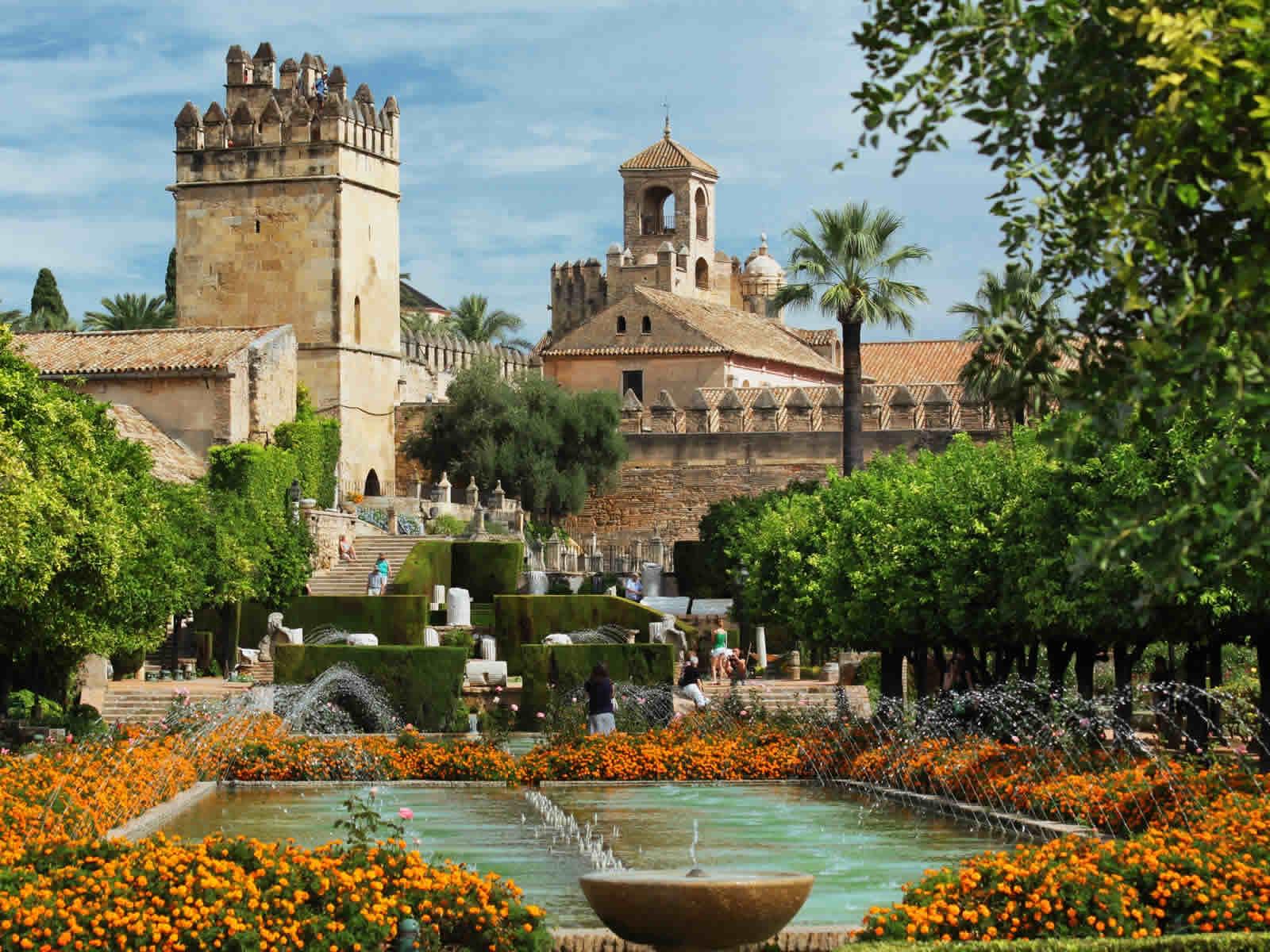
Discover Cordoba's medieval fortress with a licensed guide and explore stunning Andalusian gardens
Flexible - explore at your own pace
Free Cancellation
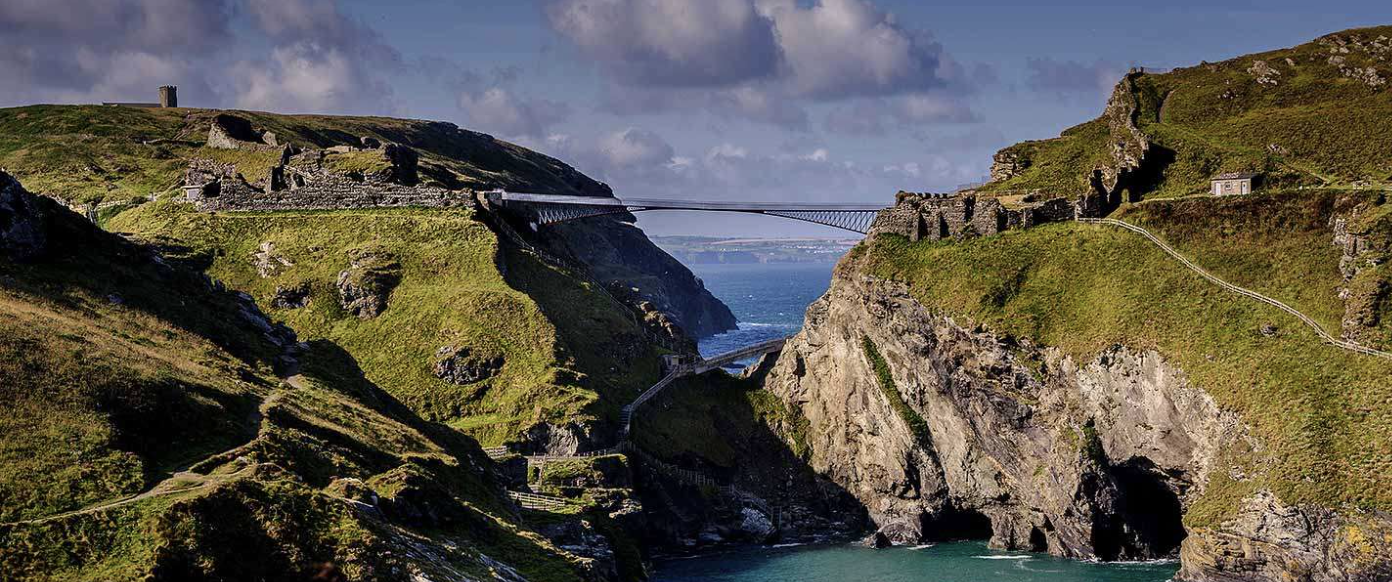
Explore the legendary clifftop fortress tied to Arthurian myth on Cornwall's dramatic Atlantic coast
Pass security screening and step into the Patio del León, the original fortified entrance courtyard
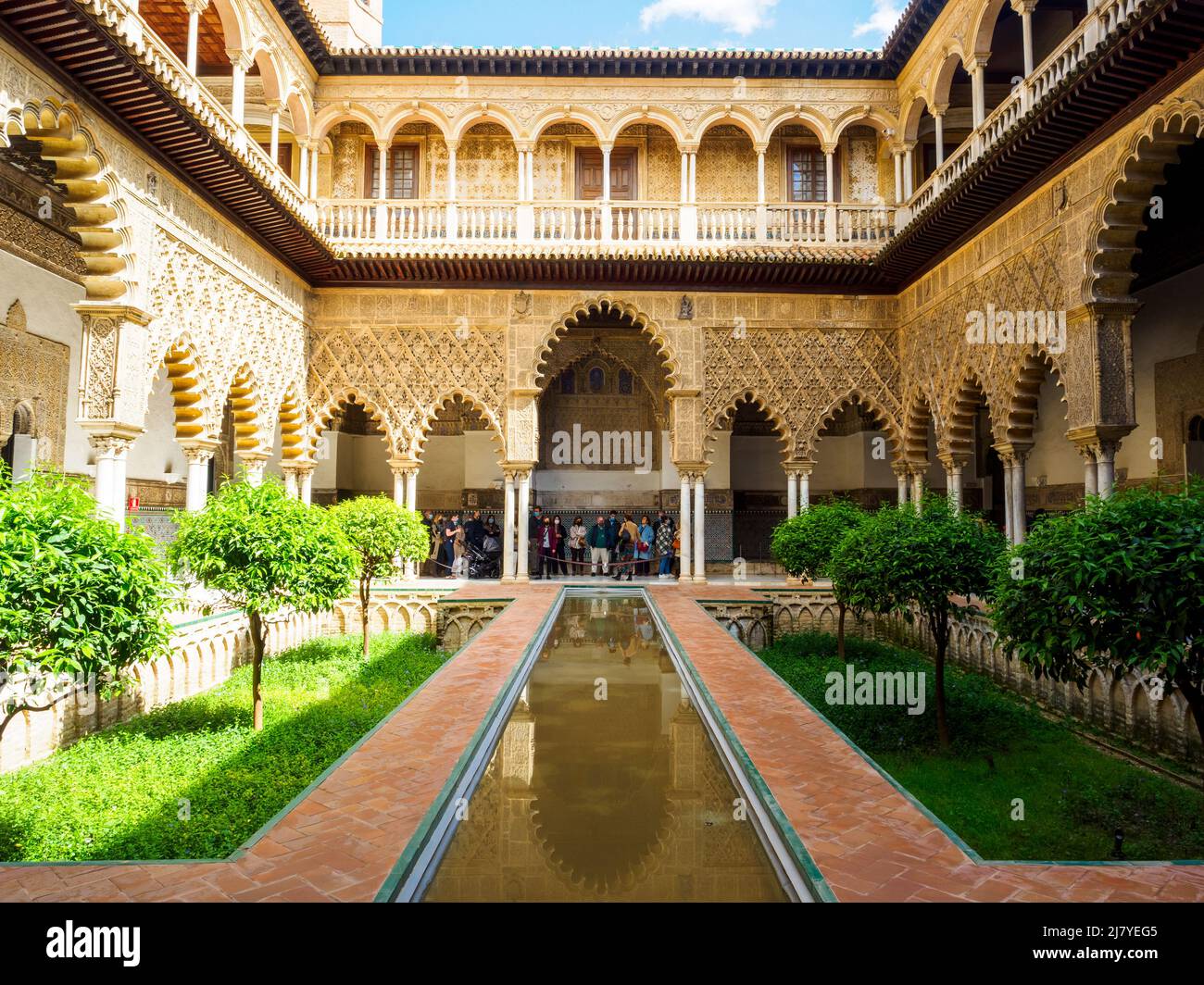
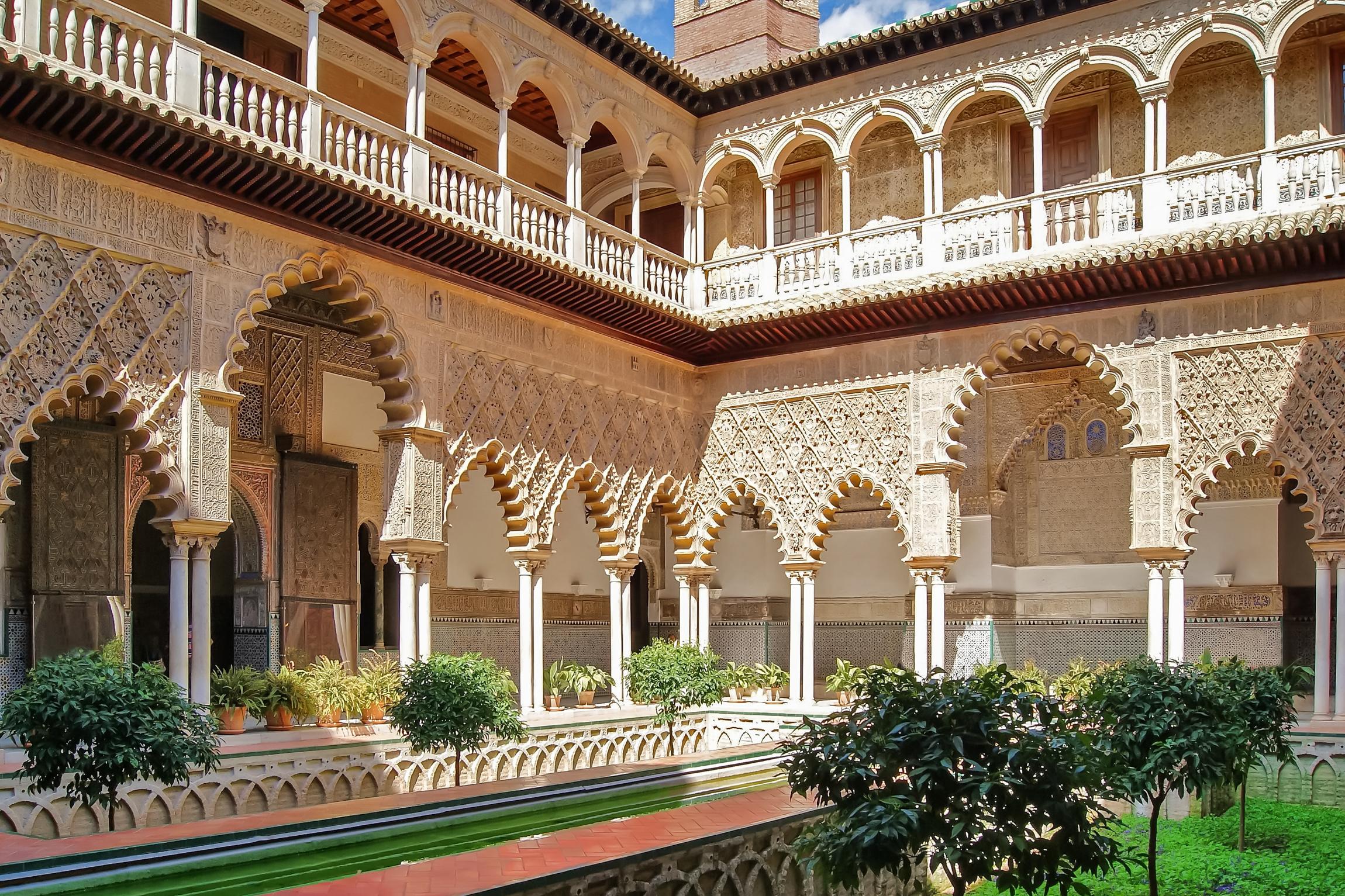
A rectangular courtyard with a long sunken reflecting pool running its full length, framed by sebka tracery and Mudéjar arches. It stood in almost unaltered for the Water Gardens' formal courtyard scenes, since production crews used the space largely as it stands.
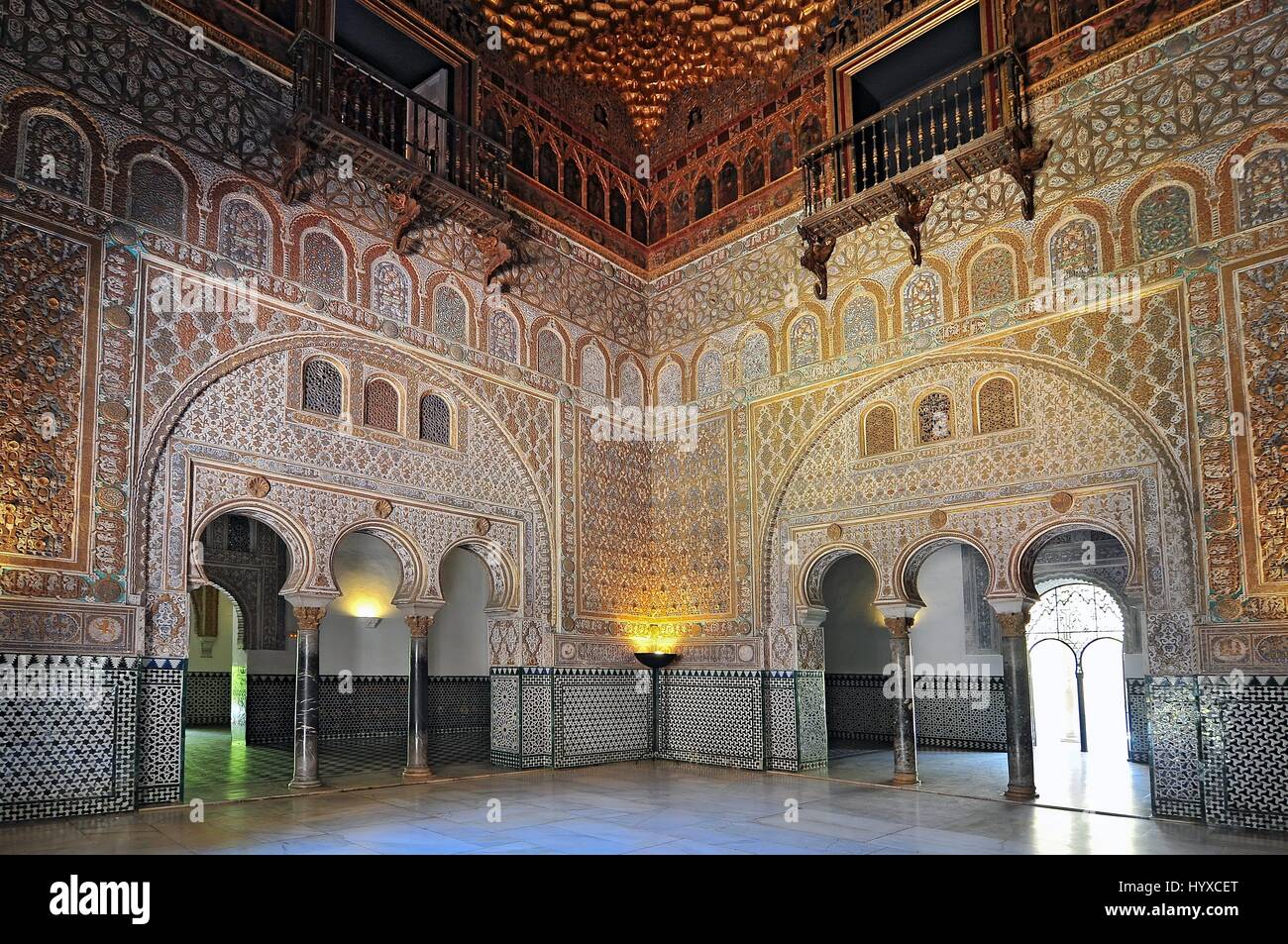
The palace's most important reception hall, capped by a gilded cedarwood dome added under Pedro I in the 14th century. It functioned as Prince Doran Martell's throne room in Season 5, its horseshoe arches and geometric tilework matching Dorne's Mediterranean visual style.
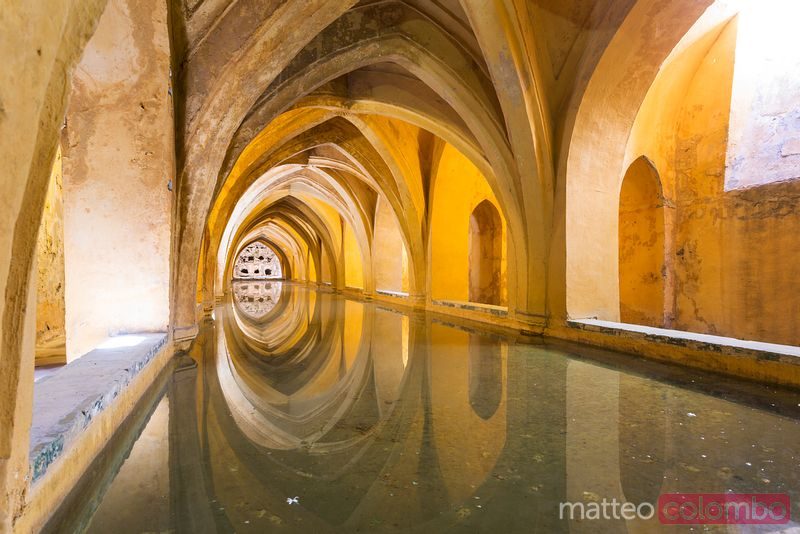
A long vaulted, water-filled cistern beneath the palace gardens, originally built as a rainwater reservoir. Its cool, shadowed atmosphere offered a darker contrast to the sunlit gardens above, giving Dorne's storyline a sense of hidden depth.
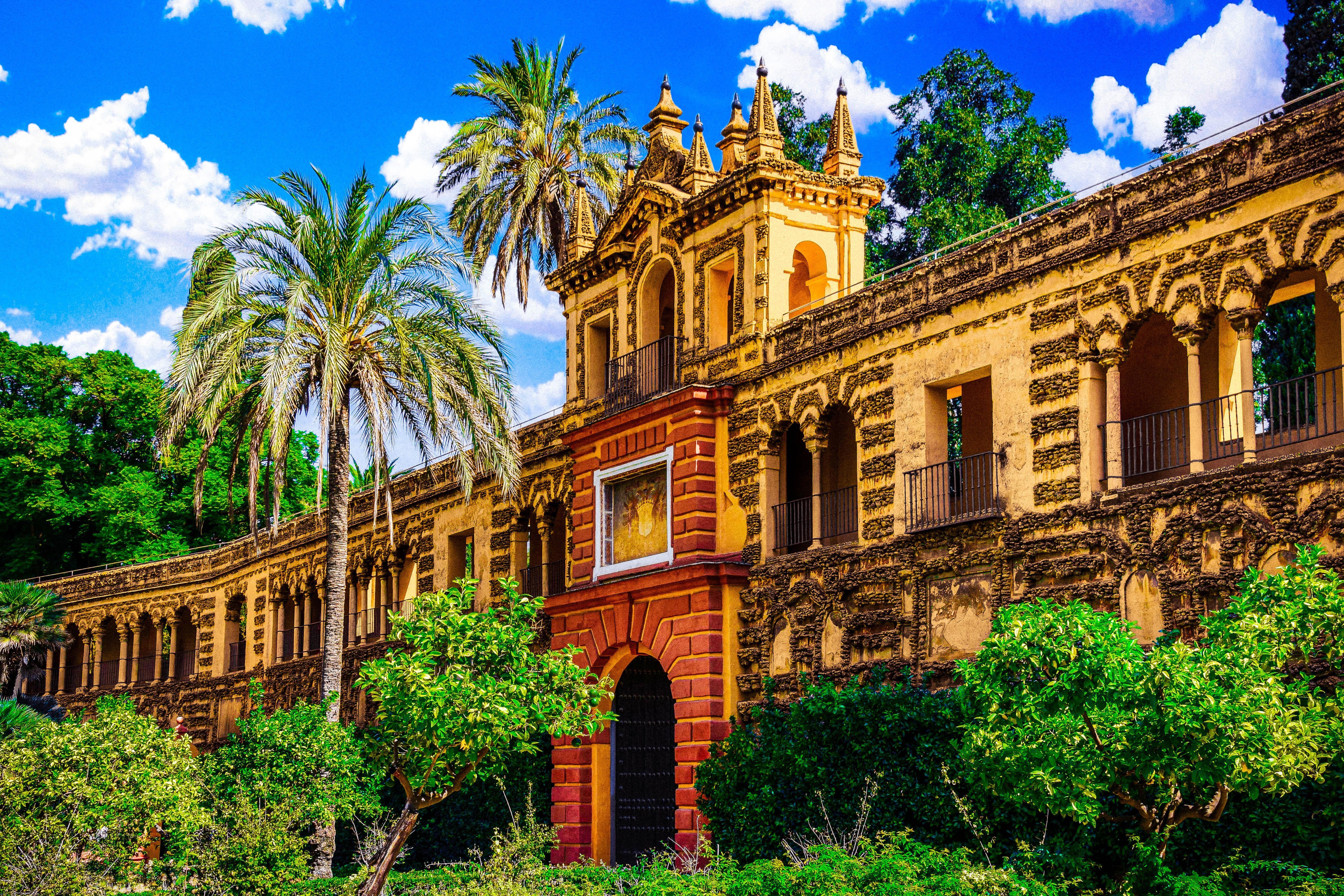
A rectangular ornamental pool at the upper level of the gardens, built in the 16th century and named for the bronze statue of Mercury at its center. Its elevated gallery gives sweeping views back toward the palace facade.
Known as the Courtyard of the Dolls, this small marble-columned patio takes its name from two tiny carved faces hidden in one of its arches. It connects the public palace rooms to the private royal apartments upstairs.
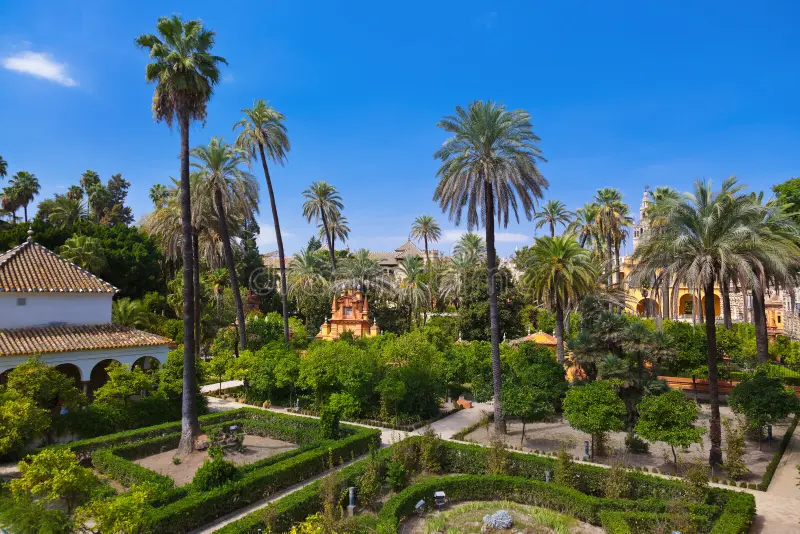
The largest of the palace's garden zones, laid out with geometric hedges, palm trees, and citrus groves across roughly two hectares. Its clipped hedges and gravel paths were used for the ambush sequence filmed among Dorne's Water Gardens.
You enter through the Puerta del León, off the Patio de Banderas, and the noise of the plaza falls away behind the crenellated wall. You cross the Patio de la Montería first, then step into the Patio de las Doncellas, where you pause at the long reflecting pool and watch the horseshoe arches double in the water. You move deeper, into the Salón de Embajadores, and you tip your head back to trace the gilded cedar dome before your neck tires. You run a hand near — not on — the azulejo tiles, cool even in July heat. Then you follow the corridor down toward the gardens, and the real alcazar game of thrones tour reveals its most-photographed stretch: the raised gallery above the Baths of María de Padilla, the palm-lined pools that stood in for Dorne. You walk the Galería del Grutesco, climbing its low ramp for a view back across the parterres. You sit for a moment by the Mercury Pond as peacocks cross the gravel. You let the orange trees do their work — shade, scent, the drone of cicadas — before you climb back toward the exit, having covered roughly two kilometres of courtyards, halls, and green terraces without once hurrying.
All the details about your upcoming adventure in one place
The real alcazar game of thrones connection draws fans to Seville's royal palace, where the Mudéjar courtyards and sunken gardens stood in as the Water Gardens of Dorne. Guided real alcazar game of thrones tours walk you through the Patio de las Doncellas, the Baths of Doña María de Padilla, and the Ambassadors' Hall, tracing centuries of Almohad and Christian craftsmanship across the Alcázar de Sevilla. This UNESCO World Heritage site remains a working royal residence, blending filming heritage with living Andalusian history.
The Baths of Doña María de Padilla, a rain-fed vaulted cistern beneath the Real Alcázar, once served as a private bathing pool for a fourteenth-century royal mistress; six centuries later, a film crew flooded its reflection with torchlight and renamed it Dorne. The connection between this Sevillian palace and the real alcazar game of thrones stems from a 2014 production season, when the Gardens of the Water and the Ambassadors' Hall stood in for the Water Gardens of House Martell. The Alcázar itself predates any screen story by more than a thousand years. Built atop a Roman settlement and a tenth-century Abbadid fortress, it was rebuilt by Pedro I of Castile after 1364 in the Mudéjar style — Christian patronage executed by Muslim craftsmen from Granada and Toledo. The result is a layered palimpsest: Almohad walls, Gothic vaults, Renaissance galleries, and Romantic-era gardens sharing a single perimeter. UNESCO inscribed the complex in 1987, and it remains the oldest royal palace still in use in Europe, the Spanish monarchy retaining upper apartments to this day. Architecturally, the palace rewards slow reading. The Patio de las Doncellas centres a sunken reflecting pool framed by scalloped horseshoe arches and plasterwork lace, its geometry recovered during a 2004 excavation. The Salón de Embajadores lifts a gilded half-orange dome of carved cedar above tiled dados, a throne room whose acoustics still carry. Beyond the built rooms, the gardens descend through hedged parterres, orange groves, and the Galería del Grutesco toward the Mercury Pond, an ordered wilderness that the descriptive variant of a seville real alcázar tour rarely captures in full. For visitors, the pull of the alcázar de sevilla juego de tronos overlay is real, yet it sits lightly on a monument that has outlasted every kingdom that shaped it. The dornish palm shadows belong equally to Seville's own Andalusian inheritance, to the muqarnas ceilings and azulejo tilework that predate the cameras by centuries. Fans searching for real alcazar game of thrones tours arrive for Sunspear and leave having walked through the material history of Iberia — Islamic, Castilian, and Habsburg intentions all pressed into the same stone. That is the quiet argument of the place: fiction borrowed its grandeur, but the grandeur was already here, and it endures among Seville landmarks as a working palace rather than a set.
Fiction borrowed its grandeur, but the grandeur was already here.
There is no formal dress code for visiting the Real Alcázar, but modest, comfortable clothing is recommended since the palace remains a working royal residence used for official state visits. Flat, closed-toe shoes are practical given the uneven cobblestones in the Patio de las Doncellas and the gravel paths through the gardens.
Bags are screened at the Puerta del León entrance with airport-style security checks, and large suitcases or oversized backpacks are not allowed inside the palace rooms. A small locker area near the entrance can hold bulkier items, so day bags or camera bags are the safest choice for a real alcazar game of thrones visit.
Personal photography without flash is permitted throughout most of the palace rooms and gardens, including the Patio de las Doncellas and Salón de Embajadores. Tripods, monopods, selfie sticks, and commercial or professional shoots require prior written authorization from the Alcázar administration, and photography is restricted in the Cuarto Real Alto (Royal Apartments) upper-floor tour.
Strollers can be brought into most of the palace and gardens, though a few narrow doorways and stepped thresholds require lifting. Children under a certain age typically enter free with a paying adult; check current family rates at the ticket office or official site.
The Real Alcázar has ramps and elevators covering most of the palace rooms and the main garden paths, and accessible restrooms are available inside the complex. Some historic sections, including uneven stone flooring in older courtyards and gravel paths in parts of the gardens, remain challenging for wheelchair users despite the adaptations.
Outside food and drink are not permitted inside the palace rooms, though bottled water is generally allowed given the summer heat. There is a small café near the exit by the gardens, and no dedicated picnic areas exist within the monument itself, so most visitors eat afterward in the surrounding Santa Cruz neighborhood.
;Tue
Hours
Daily 09:30–19:00, last admission around 1 hour before close;location
Public transport · 10-15 min from city center · Single tram/metro fare around 1.35–1.60 EUR;Walk
Take Tram T1 to the Archivo de Indias stop, a 2–3 minute walk to Puerta del León, or Metro Line 1 to Puerta de Jerez followed by a 5-minute walk.
Tickets booked through the official Real Alcázar site can generally be cancelled or rescheduled up to 24 hours before the visit slot for a full refund of the 15.5 EUR general admission; no-shows and late cancellations are non-refundable. Tickets bought through third-party resellers follow that reseller's own cancellation terms, which are often stricter.
Recommended time
2-3 hours
Two to three hours covers the main palace rooms, the Patio de las Doncellas, and a relaxed walk through the gardens, which is enough for most fans of the real alcazar game of thrones filming locations without feeling rushed. Add an extra hour if you're touring the gardens fully or lingering for photos in the courtyards; subtract time only if you're skipping the gardens entirely. Queues build fast after opening, so arriving in the 09:30–11:00 window keeps entry waits short and rooms walkable rather than jammed.
Crowd levels through the day
Weather · crowds · average price — dots go green to amber to red as each metric rises.
Mild temperatures around 18–24°C and blooming orange trees make this the most comfortable season for garden walks, though Easter week (Semana Santa) brings very heavy crowds.;Summer (Jun–Aug)
Reserve the specific Puerta del León slot on the official site in advance since walk-up tickets can sell out during peak Semana Santa and summer weeks.;Bring water for the gardens
Plaza del Triunfo, s/n, 41004 Sevilla
Main visitor entrance opposite Seville Cathedral, where most guided real alcazar game of thrones tours assemble
Get directionsThe Real Alcázar rests on the memory of an older stronghold. In 913, the Umayyad governors raised a fortified enclosure beside the Guadalquivir. Under the Almohads, from the mid-twelfth century, the site grew into a walled palace complex. Traces of that period survive in the Patio del Yeso and stretches of muralla. The Christian conquest of Seville in 1248 by Ferdinand III turned the fortress toward new masters. The decisive chapter belongs to Pedro I of Castile. In 1364 he began the Palacio del Rey Don Pedro, employing craftsmen from Granada and Toledo. Their work fused Islamic ornament with Castilian patronage, the style now called Mudéjar. The Patio de las Doncellas, completed around 1366, remains its clearest statement: carved plaster, azulejo tilework, and an inscribed frieze praising the king. Later monarchs added Gothic and Renaissance rooms above these Mudéjar cores, a layering that defines the modern real alcazar game of thrones set for today's visitors. The sixteenth century brought Charles V, whose marriage to Isabella of Portugal was celebrated here in 1526. His apartments and the surrounding gardens introduced Italianate order. The palace has never left royal service; it endures as the oldest active royal residence in Europe, and the Spanish monarch still lodges in the upper floors when in Seville. Guides on real alcazar game of thrones tours often note this continuity. Modern fame arrived through film. The 2011 production of a certain HBO series recast the Mudéjar courts as the palace of Dorne, drawing crowds toward real alcazar game of thrones tickets and Seville landmarks. That attention layered onto a UNESCO World Heritage listing granted in 1987. A Seville Alcázar tour today walks through a millennium of construction. Those booking a real alcazar game of thrones tour encounter Almohad walls, Pedro's Mudéjar halls, and a still-inhabited crown property in one enclosure.
Umayyad governors raise the first fortified enclosure beside the Guadalquivir.
Almohad rulers expand the site into a walled palace, leaving the Patio del Yeso.
Ferdinand III takes Seville, placing the fortress under Castilian rule.
Pedro I begins his Mudéjar palace with craftsmen from Granada and Toledo.
Charles V marries Isabella of Portugal within the Alcázar.
UNESCO inscribes the Real Alcázar as a World Heritage Site.
HBO films Dorne scenes in the Mudéjar courtyards and gardens.
Stand centered beneath the golden dome and look straight up at the concentric carved wooden star pattern, the same framing used for Doran Martell's throne room scenes. Photography is allowed but tripods are not, so brace against the doorway for a steady shot of the tiled walls and dome together.
This rectangular courtyard with its sunken garden and horseshoe arcades reads instantly as Dorne on screen, and a real alcazar game of thrones walk should linger here before heading up to the pool level. Shoot from the short end of the reflecting pool to catch the full arcade in the water's reflection.
This upper garden pool, centered on a bronze Mercury statue and framed by clipped hedges, doubled as the public gathering space of the Water Gardens of Dorne. Shoot from the raised Galería del Grutesco walkway above it for the wide angle used in the series, or from pool level for a straight-on statue portrait.
These vaulted underground baths, lit by narrow shafts and lined with still water, stood in for the shadowy vault scenes below the palace. Handheld shots work well since the low light and tight stone corridor rule out tripods entirely.
The wider gardens, with their gravel paths, orange trees, and garden walls, filled out the exterior Dorne shots and remain the most open of the four spots for wide compositions. Wander past the Grotesque Gallery toward the Galera pavilion for the clearest sightlines matching the show's garden establishing shots.
Visiting the real alcazar game of thrones grounds with children works best as a slow morning wander rather than a checklist, since the palace rooms and gardens sprawl over a large site. Kids tend to power through the Mudéjar rooms quickly, then loosen up once they hit open garden paths and shade.
Most patios, main rooms, and garden paths take a stroller fine, but the Baños de Doña María de Padilla and the Galería del Grutesco upper walk have steps, so a lightweight foldable stroller or a baby carrier as backup covers both zones.
Plan the palace interior first while energy is high, then treat the gardens as the long, unhurried second half; the orange-tree paths near the Mercury Pond give natural shade breaks so kids can run rather than be marched.
Under-6s enjoy the peacocks and open lawns more than the architecture, while kids 6+ get into spotting the Dorne filming locations, making this a genuinely family-friendly Sevilla landmarks stop for a wide age range.
Public toilets with baby-change are near the Puerta del León entrance and again in the gardens, so build a stop there into your route rather than searching mid-visit.
Benches and shaded courtyards near the Patio de las Doncellas and the garden pavilions are the easiest spots to pause a toddler meltdown without leaving the grounds.
Bring snacks and water, since food inside the complex is limited to a couple of small cafes and outside drinks aren't permitted in most areas.
Real experiences from real travelers
Walking into the Courtyard of the Maidens I immediately recognized the water gardens of Dorne from the show, and the real alcazar game of thrones connection is even better in person than on screen. We went right at opening in June and the tilework glowed in the early light. Bring water because the courtyards get hot fast.
Como sevillano vengo cada primavera y sigue impresionando, los arcos mudéjares y el sonido del agua en los patios son inigualables. The Alcázar de Sevilla tour our friends took was well paced and the guide knew every corner. Late afternoon light through the arches is the best.
The Baths of María de Padilla underground were cool and quiet on a scorching July afternoon, a welcome break from the heat above. Fans of the real alcazar game of thrones will spot the filming spots quickly. The reflections in the long pool were the highlight for me.
Arrived midmorning and the crowds were already heavy near the main halls, so patience helps. Still, the carved ceilings and gardens made the visit worthwhile and the Seville landmarks nearby are easy to reach on foot. I wish I had booked earlier in the day.
The gardens smelled of orange blossom in April and peacocks wandered the hedges near the Grutesco gallery. Booking real alcazar game of thrones tickets in advance saved us a long queue in the sun. Every corner felt like stepping into another century.
We came on a cool January morning and practically had the Patio del Yeso to ourselves. The lacework arches and shallow water channels were even more delicate up close than in photos. One of the calmer times to appreciate the Mudéjar craftsmanship.
Our real alcazar game of thrones tour guide pointed out exactly where the Dorne scenes were shot, and it added a whole layer to the visit. The Ambassadors' Hall dome with its golden cedar ceiling stopped everyone in their tracks. Comfortable shoes are a must given the uneven old stone floors.
Late September afternoon light poured through the arcades and turned the sandstone amber. The layering of Islamic and Christian design across the palace is fascinating to trace room by room. Fans exploring real alcazar game of thrones locations should linger in the lower gardens.
Peak summer meant a warm walk through the gardens but the shaded galleries and cool underground baths balanced it out. The real alcazar game of thrones tours we compared online were all similar, so we just went with skip-the-line entry. Peacocks and fountains everywhere made it memorable.
The azulejo tiles and horseshoe arches in the Alcázar de Sevilla are extraordinary, and seeing UNESCO-listed craftsmanship this intact is rare. We spent a slow morning tracing the mix of cultures across the courtyards. The orange trees and running water made the whole place feel alive.
Everything you need to know for your journey
The Real Alcázar is open daily from 09:30 to 19:00, with last admission generally around an hour before closing, so a real alcazar game of thrones visit works on any day of the week.
Most of the palace rooms and garden paths are wheelchair accessible via ramps and elevators, though a few historic courtyards have uneven stone flooring that can be challenging.
Small day bags, water bottles, and phones for the audio guide are fine, but large suitcases, tripods without a permit, drones, and outside food are not allowed inside.
Personal photography without flash is permitted through most of the palace and gardens, including the Patio de las Doncellas, though tripods and flash are restricted in some upper rooms.
Arriving right at the 09:30–11:00 opening window is the best way to beat tour groups and the midday heat while the palace rooms are calmer.
There is no strict dress code, but comfortable clothing and flat, closed-toe shoes suit the cobblestones and gravel garden paths well.
Outside food isn't permitted inside the palace rooms, though a small café near the exit serves drinks and light snacks after the visit.
Take Tram T1 to Archivo de Indias or Metro Line 1 to Puerta de Jerez, both within a five-minute walk of the Puerta del León entrance at Patio de Banderas.
Yes, the gardens and open courtyards give children room to explore, and strollers are permitted through most of the route with only a few stepped thresholds.
Tickets booked on the official site can typically be cancelled or rescheduled up to 24 hours ahead for a refund of the 15.5 EUR general admission; late cancellations are non-refundable.
Seville Cathedral and La Giralda sit three minutes away, making it easy to combine both UNESCO sites, along with the nearby Torre del Oro and Barrio de Santa Cruz, in one day exploring Seville landmarks.
The Salón de Embajadores served as Prince Doran Martell's throne room, while the Patio de las Doncellas, Mercury's Pond, and the Baths of María de Padilla stood in for the Water Gardens of Dorne.
The world's largest Gothic cathedral, adjoining the Alcázar and housing Christopher Columbus's tomb. Its bell tower, La Giralda, began as a 12th-century minaret.
A historic 1920s grand hotel steps from the Alcázar, built for the Ibero-American Exposition and styled in Andalusian revival architecture.
Join thousands of happy travelers who have discovered this incredible experience
Book Your Experience Now