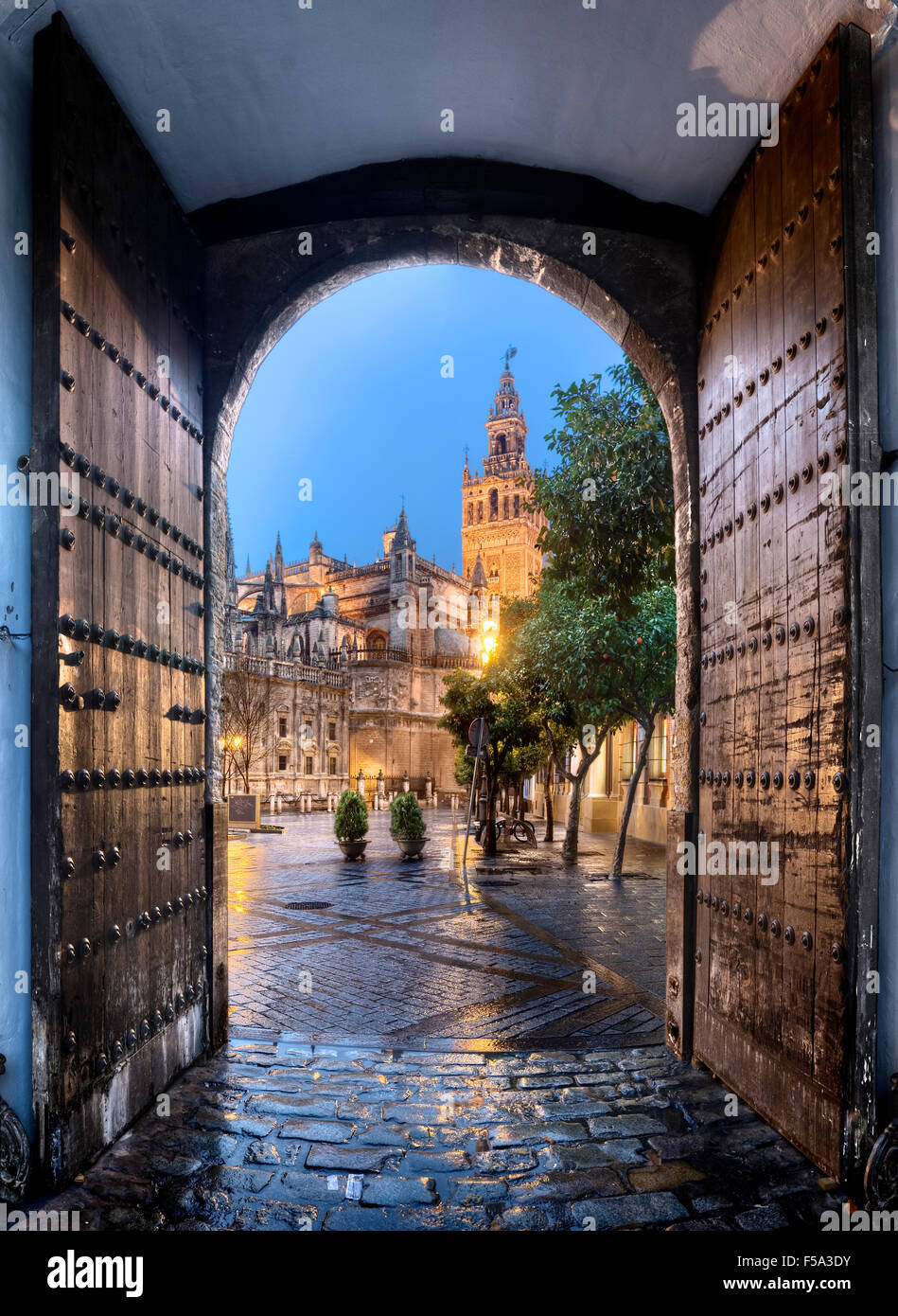
Royal Alcázar of Seville Entry Ticket
- Entry ticket
- Mobile voucher
- Valid same day
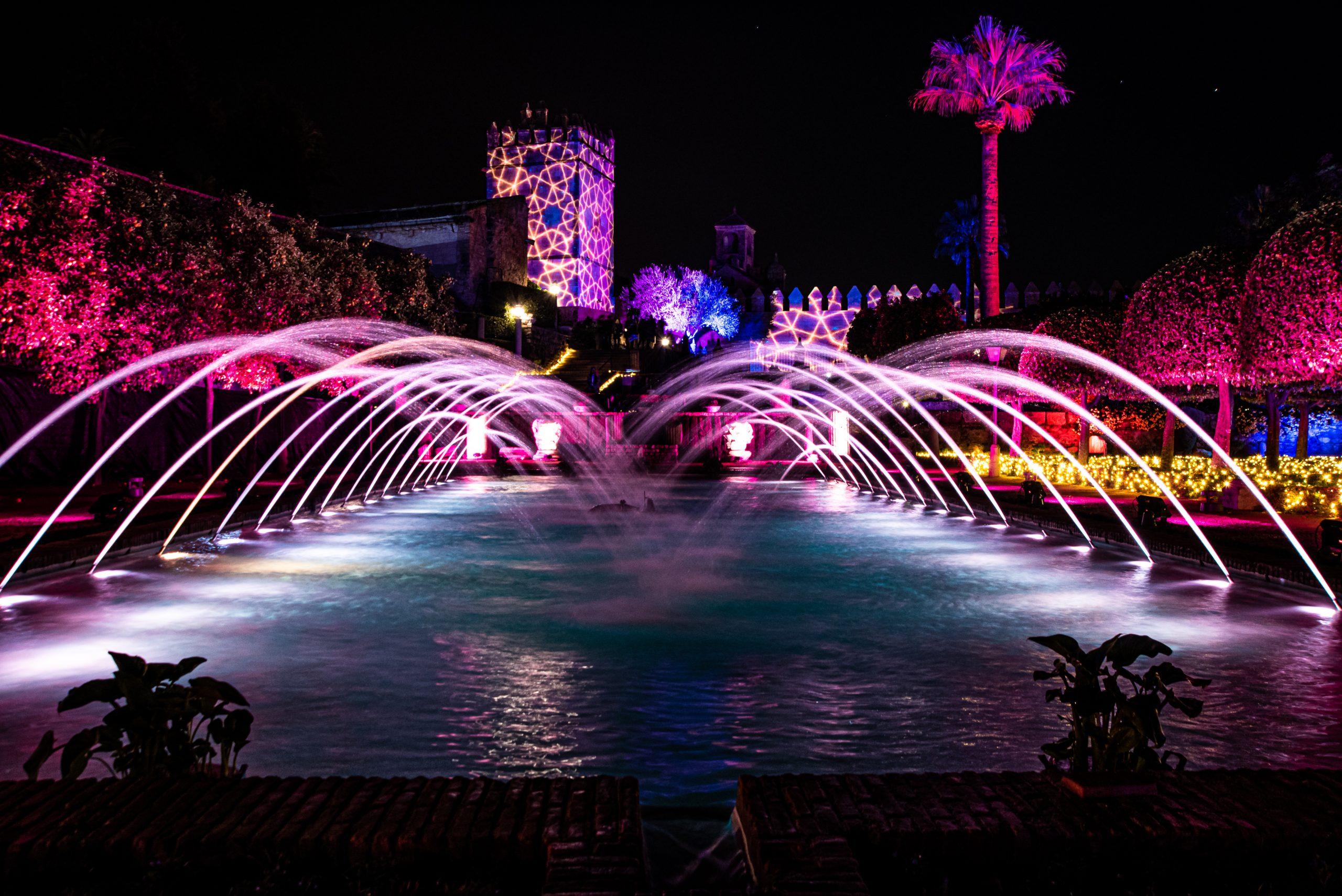
Real Alcázar Night Visit — Evening Passes & Small-Group Access
Torch-lit patios after dusk, centuries held in the dark.
Compare fares, pick the fit — all bookings are mobile-voucher and eligible for free cancellation where shown.
1 hr
3 hr
Choosing between a real alcazar night visit and a standard daytime pass comes down to what you want to see and how you want to see it. The palace offers three official access levels: General Entrance, General Entrance plus Cuarto Real Alto, and the after-dark Visitas Nocturnas Teatralizadas — each unlocking a different slice of this Sevilla landmark.
| General Entrance (Self-guided, daytime) |
Top pick Entrance + Cuarto Real Alto (Guided, royal apartments) |
Nocturna Teatralizada (Theatrical, after dark) | |
|---|---|---|---|
| What you see | Palaces, patios, gardens | Palaces, gardens, upper royal chambers | Selected palace rooms and gardens by night |
| Access to Cuarto Real Alto | — | — | |
| Format (self-guided vs guided) | Self-guided with audio app | Guided, timed small-group entry | Guided by costumed actors |
| Lighting/atmosphere | Natural daylight | Natural daylight | Artificial lighting, theatrical staging |
| Typical duration | Self-paced | Timed slot, fixed start | Fixed start, guided pace |
| Best for | Budget-minded, flexible schedules | First-timers wanting royal apartments | Visitors seeking an evening or atmospheric visit |
| See tickets & prices |
Verdict: First-time visitors comparing real alcazar night visit tours against daytime options generally get the fullest picture from the General Entrance plus Cuarto Real Alto ticket, while those drawn to skip-the-line Real Alcázar tours with an evening mood should look at the Nocturna Teatralizada instead.
Worth it for atmosphere-seekers, skippable for detail lovers
The real alcazar night visit costs more than the 14.5 EUR daytime general admission, and that premium buys mood over material. What you actually get after dark, arriving around 21:00–21:30, is a theatrical performance woven through the Mudéjar palace, small guided groups instead of the midday scrum, and a sense of exclusivity as costumed figures lead you through torch-lit courtyards. What you lose is real: the tilework and coffered ceilings that reward daylight go flat in low light, and the gardens surrender their colour to shadow. For anyone chasing this Seville landmark's fine detail, the plain daytime ticket delivers better value. But if you want the palace as an experience rather than a checklist, the evening tour earns its markup. These UNESCO-listed evening tours pay off for couples, repeat visitors, and anyone who has already seen the courtyards by day and wants a different register entirely.
Bottom line: Book the real alcazar night visit tickets for the mood, not the masonry — it rewards experience-seekers over detail hunters.
Hand-picked experiences loved by thousands of travelers
Approximately 1 hour
Free Cancellation
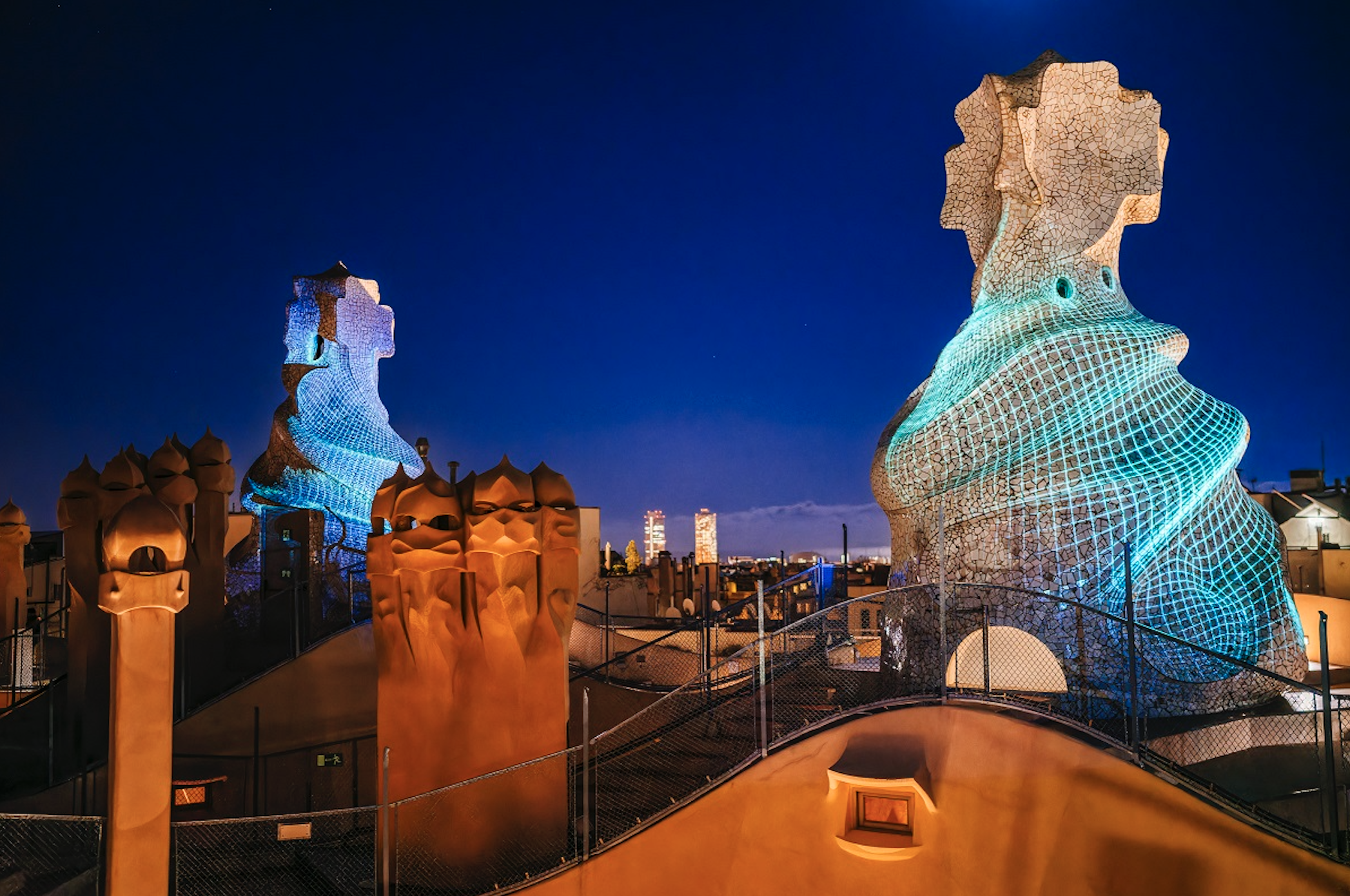
Witness a captivating audiovisual spectacle atop Gaudí's architectural wonder with champagne
2-3 hours
Free Cancellation
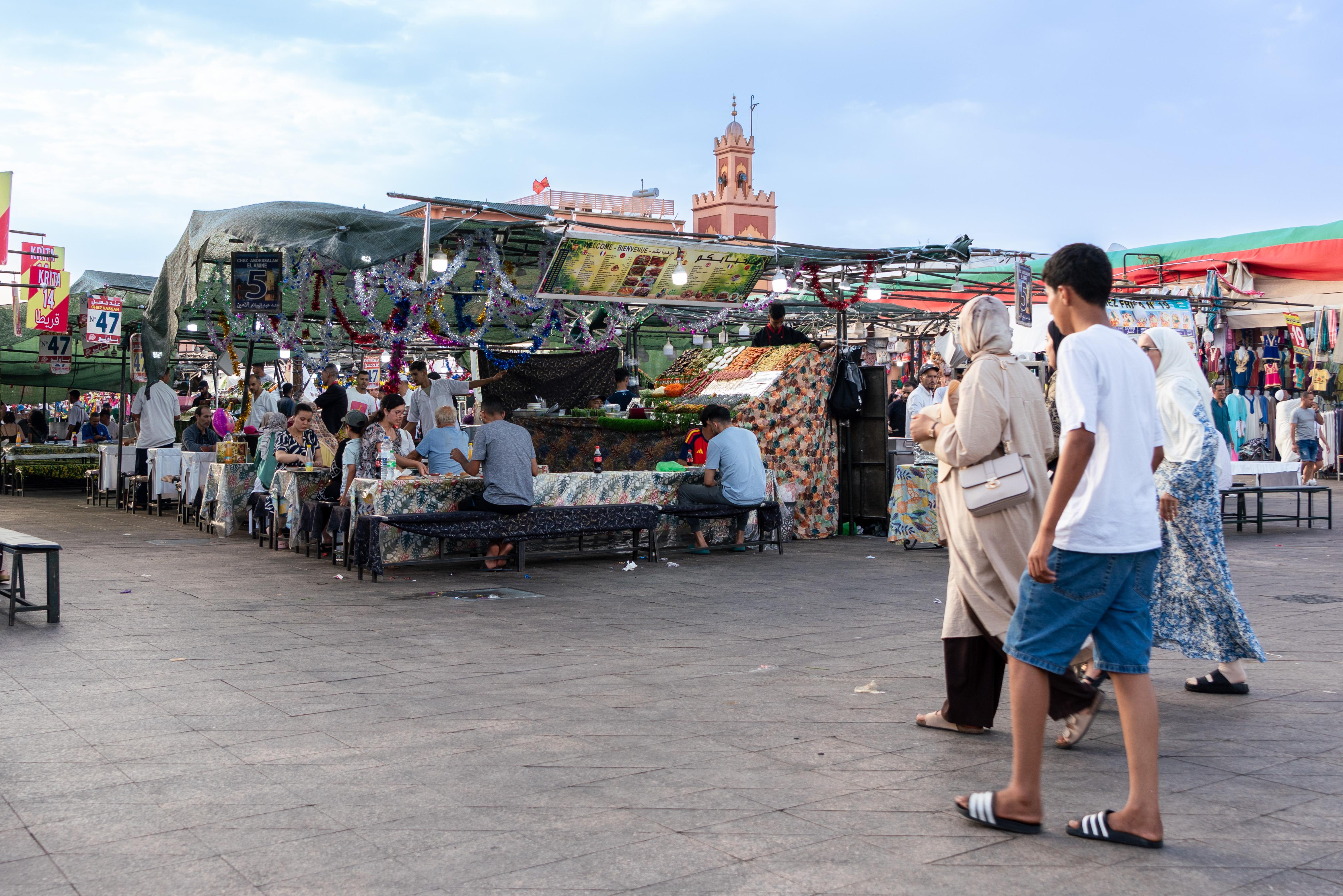
Explore the medina after dark with a local guide, enjoying traditional music, snacks, and mint tea
4 hours
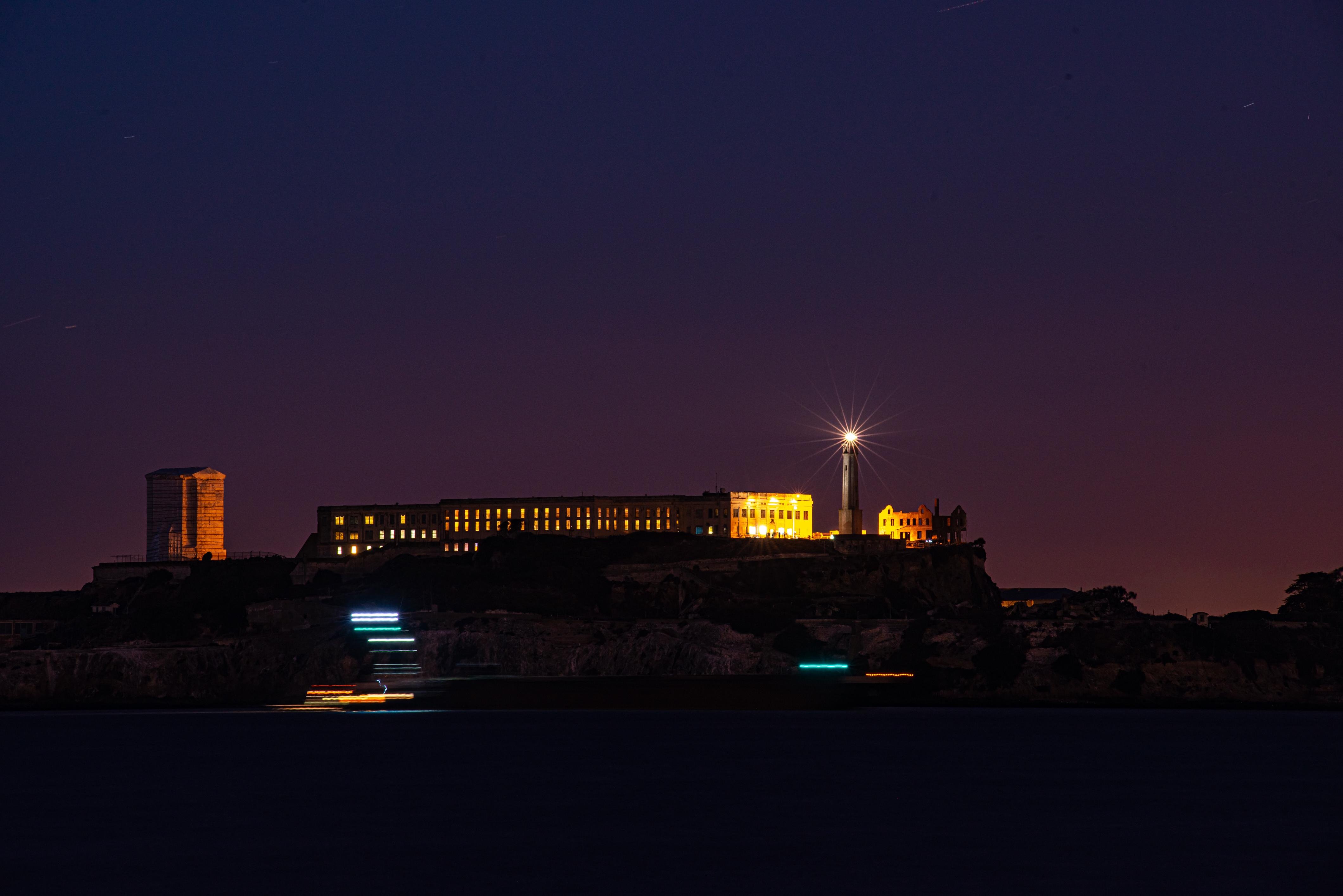
Evening visit to the infamous island prison plus a separate scenic bay cruise—two tours in one package
7 hours
Discover towering redwoods, a charming coastal village, and the infamous island prison after sunset
4 hours
Free Cancellation
Experience Kazakhstan's capital after sunset with visits to iconic monuments and mosques under night skies
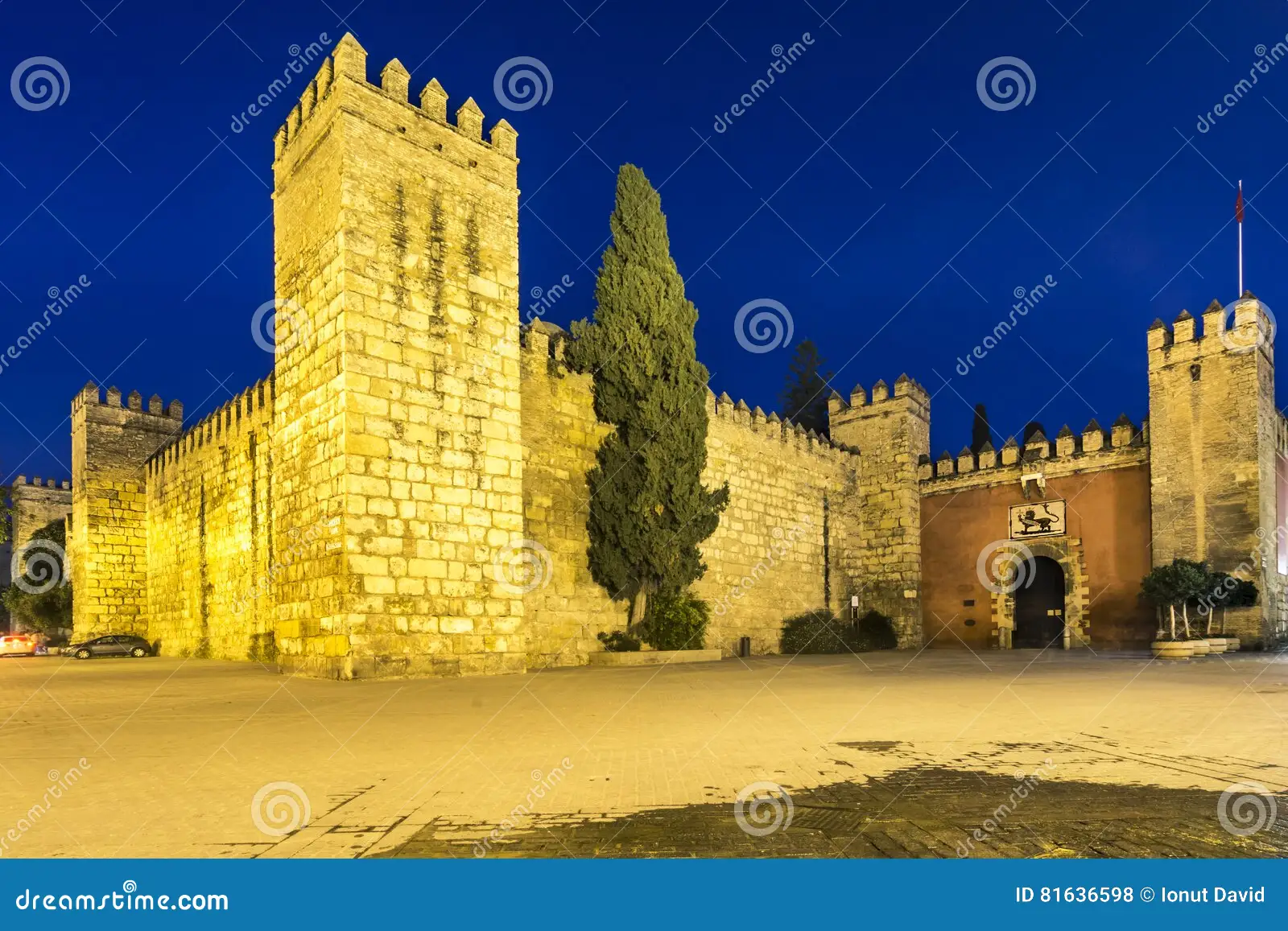
Pass security screening and enter through the lion-tiled gate on the monument's south façade
Cross the first open courtyards toward the Mudéjar Palace entrance
See the Patio de las Doncellas, Salón de Embajadores, and Patio de las Muñecas, the palace's architectural core
Walk the Salones de Carlos V and view the Virgin of the Navigators painting
Wander the Jardín del Príncipe and descend to the historic baths beneath the Patio del Crucero
Small groups follow a dramatized nighttime walk through the illuminated palace halls after dark
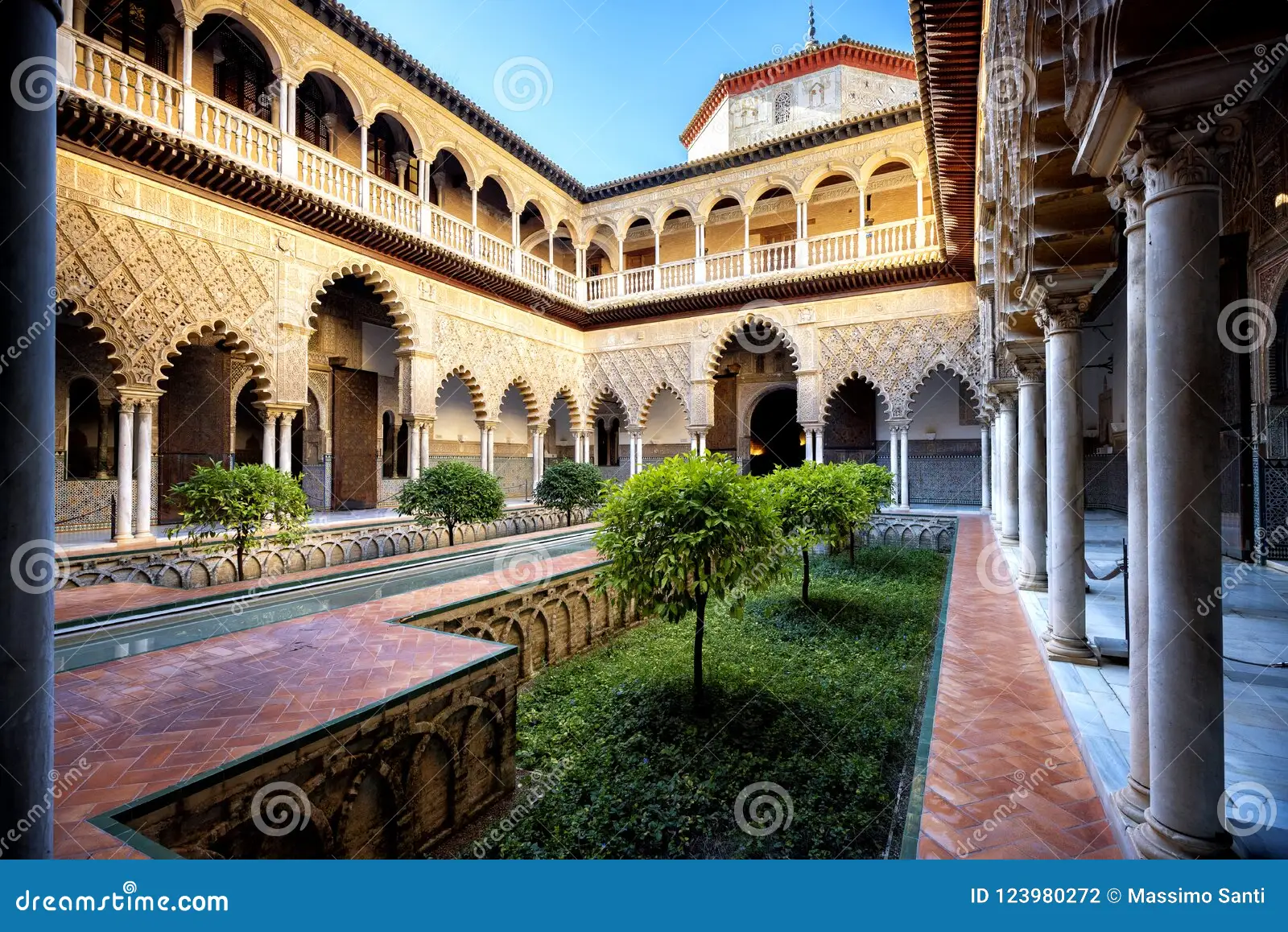
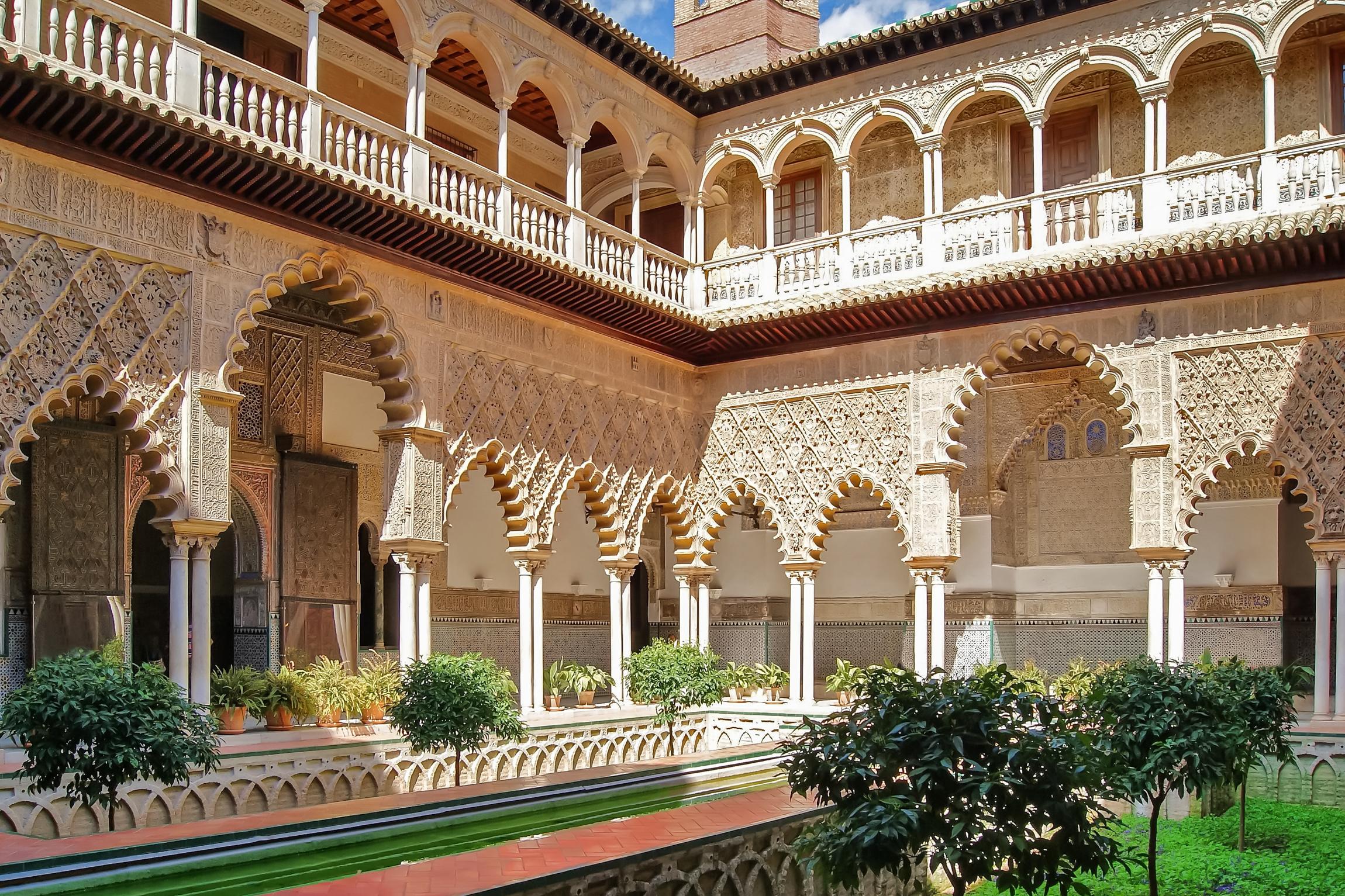
Known as the Courtyard of the Maidens, this rectangular courtyard forms the ceremonial heart of Pedro I's 14th-century palace and takes its name from a debunked legend about an annual tribute of 100 virgins. Its lower level shows Islamic-style plasterwork and arches, while the upper story was added later under Charles V in a Renaissance style.
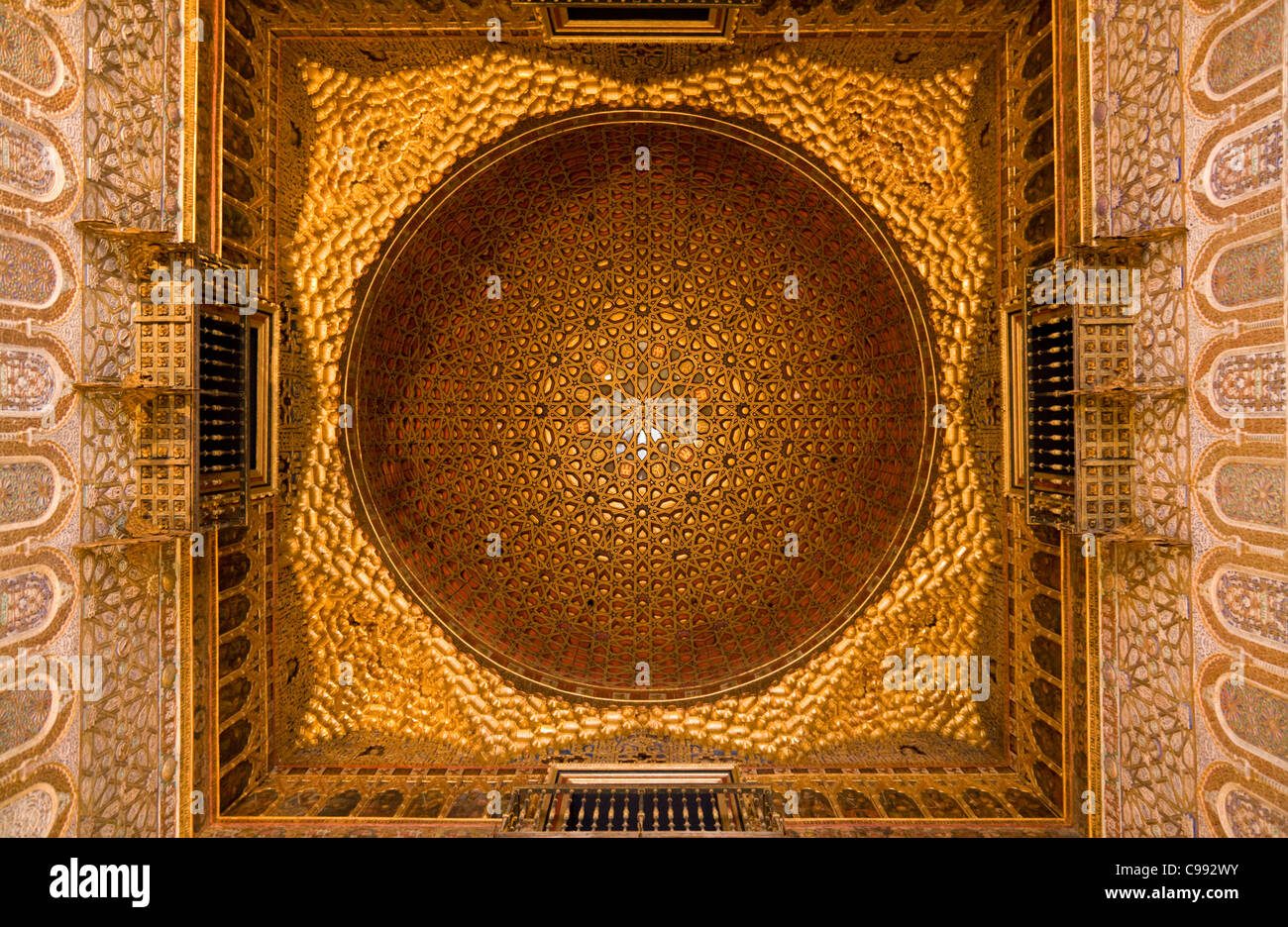
The Hall of Ambassadors served as Pedro I's throne room and holds a wooden dome of interlocking star patterns installed in 1427 by Diego Ruiz, giving the room its nickname Sala de la Media Naranja, or Hall of the Half Orange. The gilded dome symbolizes the universe and remains the most elaborate ceiling in the entire palace.
Called the Courtyard of the Dolls after tiny carved faces hidden in one of its column capitals, this small courtyard is believed to have served as a private domestic space for the queen. Its slender columns and delicate arcades were reused from earlier Caliphate-era buildings in Córdoba.
These vaulted rainwater cisterns sit beneath the Patio del Crucero and take their name from Pedro I's mistress, María de Padilla, though they were never actual bathing chambers. Reaching them requires descending a set of stone steps into a cool, dim, arched chamber built centuries before the gardens above it took shape.
The Prince's Garden was laid out as a Paradise Garden modeled on Islamic ideas of an earthly Eden, featuring geometric hedges, citrus trees, and a labyrinth of clipped myrtle. It sits beyond the Arco de Pavones, an archway named for its carved peacock motifs.
A 19th-century tiled mural of a crowned lion sits above this main entrance gate on the monument's south façade, marking the transition from the outer Patio de Banderas into the fortress-palace complex. It remains the sole point of entry and exit for all visitors today.
You arrive at the Patio de Banderas gate in the 21:00–21:30 window, when the theatrical night passes start after dark and the daytime crowds have thinned to almost nothing. You gather with a small group, and a guide leads you in through the Puerta del León, past the crenellated wall into the first courtyard. The change is immediate: floodlight pools on stucco, and your footsteps carry across empty stone. You cross into the Palacio Mudéjar and pause at the Patio de las Doncellas, where the arcade throws long shadows and the reflecting pool holds the arches upside down. You tilt your head under the cedar dome of the Salón de Embajadores while the guide points out inscriptions you would miss by day. A real alcazar night visit moves deliberately, so you have time to look. You step out into the gardens, cooler now in the July night, and follow lit paths past the Mercury Pond toward the orange trees. Somewhere a fountain runs unseen. You descend to the vaulted Baths of María de Padilla, where lamplight doubles in still water. By the time you return to the gate, roughly ninety minutes have passed, and the palace releases you back into the lanes of Santa Cruz.
All the details about your upcoming adventure in one place
A real alcazar night visit opens the Mudéjar palace and its courtyards once the daytime crowds have gone, with lantern light tracing the tilework of the Patio de las Doncellas and the arches of the Salón de Embajadores. Guides working these real alcazar night visit tours share the Almohad and Christian layers of this UNESCO World Heritage site as you move through the cooler evening air of the gardens. Booking ahead through Seville Alcázar tour operators keeps entry smooth on busy summer nights.
The Real Alcázar is the oldest royal palace still in use in Europe, its upper storeys reserved to this day for the Spanish monarch when visiting Seville. That living continuity begins to explain why a real alcazar night visit feels less like touring a monument than entering a house that never emptied. The complex rose over a tenth-century Abbadid fortress, was rebuilt by Almohad governors, and was recast in the 1360s by Pedro I of Castile, who summoned craftsmen from Granada and Toledo to raise the Palacio Mudéjar. That commission produced one of the clearest surviving statements of Mudéjar art, the hybrid style in which Christian patrons employed Muslim artisans. The Patio de las Doncellas, its lower arcade a lace of interlaced stucco and its sunken garden rediscovered only in the twentieth century, carries Arabic inscriptions praising a Catholic king. Above the Salón de Embajadores rises a gilded half-dome of carved cedar, set in 1427, meant to read as the vault of heaven. The idiom refuses easy categories, and evening tours of the site lean into that ambiguity, when floodlight replaces the flat Andalusian sun. Why the place still matters is partly a question of layers. Almohad walls abut Gothic vaults; Renaissance grotesques share a wall with Nasrid-style tilework; the Casa de Contratación once administered every ship bound for the Americas from rooms a few steps away. A UNESCO World Heritage listing since 1987 recognises this stratigraphy, in which each century built without erasing the last. Few European buildings compress so much political history into so little ground. The gardens extend the argument outward. Beyond the Mercury Pond and the Galería del Grutesco, hedged parterres give way to orange groves and the Baths of María de Padilla, a rain-water cistern beneath vaulted brick where reflections double the arches. It is landscape as archive, each terrace a different ruler's idea of paradise on earth. A visita nocturna alcázar recasts these beds in shadow, and the seasoned traveller books a real alcazar night visit precisely for that inversion, when the tilework glows and the fountains turn to sound rather than sight. The Real Alcázar rewards this slower register, its Sevillian landmark status earned less by any single hall than by the accumulated argument of eight centuries standing in conversation. To read it after dark is to hear the argument continue in a lower key, patio by patio, arch by arch.
Almohad walls abut Gothic vaults, each century built without erasing the last.
There is no strict dress code inside the Real Alcázar itself, though bare feet are not permitted at any time. If your itinerary also includes Seville Cathedral, shoulders and knees should be covered for that stop, and it's worth applying the same modest standard for evening theatrical night visit sessions since the route passes through the same royal halls.
Bags are scanned at the Puerta del León entrance, and large rucksacks, suitcases, or luggage are turned away since there is no cloakroom or locker service on site. A small day bag or crossbody bag passes through security without issue, and the same restriction applies to anyone arriving for the after-dark real alcazar night visit tours, since the entrance and screening point are unchanged after sunset.
Personal, non-flash photography is allowed throughout almost the entire complex, including the Patio de las Doncellas and Salón de Embajadores. Tripods, selfie sticks, and flash are generally restricted to protect painted ceilings and tiled surfaces, and staff enforce this more closely in enclosed rooms than in the open gardens.
Strollers can navigate most patios and gardens, though a light, foldable model handles the narrower, uneven stretches better than a full-size pram. Children of any age enter the daytime palace, while the after-dark theatrical dramatization is better suited to older kids given its later start times and 75-minute run.
Ramps and an elevator reach the upper floor of Pedro I's Palace, and free entry plus wheelchair loans are available for visitors with disabilities and one companion. Several historic spaces remain step-only, including the Baños de Doña María de Padilla and the Cuarto Real Alto, and the gardens mix paved paths with gravel and uneven cobbles.
A small café inside the gardens serves drinks and light snacks with outdoor seating, and water fountains are scattered through the garden areas. Outside food and drink brought from elsewhere is generally tolerated in the garden zones but not inside the tiled palace interiors.
Quieter midweek slot
Theatrical night visit evenings
Busiest day, arrive early
Daily 09:30–19:00, last admission around 18:00
location
Public transport · 20 min · Under 2 EUR per ride
Take Metro Line 1 or city buses to the Puerta de Jerez or Avenida de la Constitución stops, then walk 5–10 minutes through the Cathedral area to Patio de Banderas
Walk · 10 min · Free
From Plaza Nueva or the Cathedral, the entrance is a flat, short stroll through Santa Cruz's pedestrian streets
Taxi · 10 min · Approx. 12–15 EUR
From Santa Justa train station, a direct taxi drops passengers near Patio de Banderas
Car · 30 min plus walk · Garage parking from 2 EUR/hour
Driving into the old town is discouraged due to restricted access and scarce parking; use a city garage near Paseo de Colón instead
Standard day-visit tickets to the Real Alcázar are generally non-refundable and non-transferable once the time slot has passed, though many resellers allow free cancellation up to 24 hours before the visit. The general admission fee is 14.5 EUR per adult, and separately booked theatrical night visit passes typically carry stricter, non-refundable terms once confirmed given the limited small-group capacity.
Recommended time
2-3 hours
A real alcazar night visit typically runs 75 minutes for the guided route through the illuminated palaces, and small groups depart every 30 minutes after dark, so arriving at 21:00-21:30 puts you ahead of the last slots without waiting on daytime queues. Add 20-30 minutes if you want a slow walk through the gardens once the tour ends, since the after-dark atmosphere is quieter and easier to linger in than midday. Daytime self-guided visits run closer to 2-3 hours because of orientation time and the crush inside the main halls; the night format compresses that by keeping the route fixed and the crowd capped, so queue reality is minimal compared with the mid-morning rush.
Crowd levels through the day
Weather · crowds · average price — dots go green to amber to red as each metric rises.
Mild temperatures and blooming gardens draw heavy crowds, especially around Easter week; mornings fill quickly.
Daytime heat is intense, often above 35°C, making the real alcazar night visit a cooler alternative on Friday and Saturday evenings.
Warm, drier weather with thinner crowds than spring, and night tours continue through October before pausing for winter.
Cooler days and the thinnest crowds of the year, though night visit tours are not offered from November through February.
The theatrical real alcazar night visit is a distinct ticket from general day admission and runs only Fridays and Saturdays between March and October.
Bags are scanned at entry and there's no cloakroom, so a small day bag moves you through the checkpoint faster.
Garden paths mix gravel, sand, and uneven cobbles, which catch smooth-soled shoes more than sneakers.
The Jardín del Príncipe and Baños de Doña María de Padilla sit at the back of the route, away from the crowded entrance halls.
There's no re-entry once you leave through the main gate, so finish the full loop before stepping out.
Fountains are scattered through the gardens, but the palace interiors themselves have no refill points.
A limited number of wheelchairs are available at the ticket office and go on a first-come basis.
Patio de Banderas, s/n, 41004 Sevilla, Spain
Main entrance and standard meeting point for individual and guided visits
Get directionsPatio de Banderas, s/n, 41004 Sevilla
Common outdoor gathering spot for group tours before entry, opposite the Cathedral's Giralda side
Get directionsThe story a real alcazar night visit brings to life begins in the 10th century. Around 913, the Umayyad emir Abd al-Rahman III ordered a fortified enclosure near the Guadalquivir. The Almohads expanded it from 1147, raising the walls that still frame the Patio de Banderas. Their engineering skill survives in the Patio del Yeso, one of the oldest surviving fragments. The defining chapter came under Christian rule. Ferdinand III took Seville in 1248 and made the fortress a royal seat. His descendant, Pedro I of Castile, ordered the palace that defines the site today. Construction of the Palacio del Rey Don Pedro ran from 1364 to 1366. Pedro brought craftsmen from Granada and Toledo, fusing Islamic and Castilian forms into the Mudejar style. An Arabic inscription praising Pedro sits beside Castilian heraldry above the same doorway. This layered identity gives the evening tours much of their narrative weight. The Catholic Monarchs left their mark next. In 1503 the Casa de Contratación was founded here to govern trade with the Americas. Charles V married Isabella of Portugal in the palace in 1526, and new upper rooms rose for the occasion. Later monarchs kept altering the complex; earthquakes and the 1755 Lisbon tremor forced repeated repairs. These interventions explain why one of the finest Seville landmarks reads as a palimpsest rather than a single design. What survives is Europe's oldest royal palace still in use. UNESCO inscribed it in 1987, and the Spanish royal family retains apartments on the upper floor. The theatrical real alcazar night visit stages costumed figures against these authentic walls, and the guided seville alcazar tour draws directly on Pedro I, Charles V, and the Almohad builders for its cast. Whether booked as real alcazar night visit tours or a single real alcazar night visit tour, the experience rests on documented fact. Those choosing real alcazar night visit tickets walk courtyards where Mudejar plasterwork, azulejo tiling, and the ordered geometry of the Patio de las Doncellas record eight centuries of continuous power.
Abd al-Rahman III orders the first fortified enclosure by the river.
The Almohads expand the fortress and raise its enduring outer walls.
Ferdinand III captures Seville and turns the Alcázar into a royal seat.
Pedro I builds the Mudejar Palacio del Rey Don Pedro.
The Casa de Contratación is founded to govern American trade.
Charles V marries Isabella of Portugal within the palace.
The Lisbon earthquake forces extensive structural repairs.
UNESCO inscribes the Alcázar as a World Heritage Site.
The reflecting pool in this rectangular courtyard doubles the Mudéjar arches and sunken gardens, and low evening light through the arcades makes it a favorite frame for a real alcazar night visit; stand at either short end of the pool so the arch line and its mirror image fill the shot.
Look straight up beneath the gilded half-orange cupola of wooden marquetry stars, best captured lying back slightly or shooting from the room's center so the radial pattern reads symmetrically; a tripod is impractical here, so brace against a doorway for a steadier long exposure.
This dim underground cistern beneath the Patio del Crucero pairs pointed Gothic arches with still water, giving long, moody reflections that suit low-light and candle-like lamps; shoot from the entrance corridor looking down the nave for the strongest symmetry.
The Mercury Pond's still surface holds the bronze Mercury statue and the grotto gallery behind it, making it a natural long-exposure subject once the garden lights come on; position on the near bank opposite the statue for a centered reflection.
Raised walkways above the sunken garden give an elevated view over clipped hedges and citrus trees toward the palace facade, a favorite spot on real alcazar night visit tours for wide establishing shots.
A quiet arcaded corridor lined with grotesque-carved columns framing the Fuente de Troya, useful for symmetrical corridor shots with minimal crowds compared to the main courtyards.
A real alcazar night visit runs late and on foot, which changes the calculus for younger children more than the palace itself does; think alert older kids rather than toddlers past bedtime.
The theatrical format suits children roughly 7 and up who can follow costumed actors and Spanish-language storytelling through an audio guide; younger kids often lose focus once the palace night visit stretches past dark.
Cobbled patios and uneven garden paths make a lightweight, foldable stroller far more practical than a full-size one, and a baby carrier is the better call for the raised walkways around the Baños de Doña María de Padilla.
Build in stationary rest points at the fountains and garden benches, since the standard night circuit covers ground steadily with few seated breaks; this matters more here than on a typical Seville landmarks day out.
Restrooms exist near the entrance but aren't always obvious after dark, so ask staff for a map on arrival rather than hunting for signage.
Food and drink aren't allowed inside beyond water and baby food, so feed children before the 21:00–21:30 arrival window rather than mid-visit.
Garden sections can close during weather alerts, which shrinks the open-air portion kids tend to enjoy most, so check conditions before booking real alcazar night visit tickets for a stormy evening.
Real experiences from real travelers
We booked the real alcazar night visit and the Patio de las Doncellas was almost silent once the day crowds left. The tilework glows under the lamps and the reflecting pool doubled every arch. Cooler air in the gardens made the whole walk comfortable in June.
Doing the seville alcazar tour in the evening meant we skipped the midday heat entirely. Standing under the cedar dome of the Salón de Embajadores with soft lighting was the highlight for me. Bring a light layer because the stone courtyards cool down fast.
The plasterwork and horseshoe arches are far easier to photograph without the daytime crush. Our real alcazar night visit felt unhurried, though a couple of the upper rooms were roped off that evening. The gardens near the Galería de Grutesco were my favorite part.
We arrived just as the sky turned deep blue and the ramparts caught the last gold. As a set of Seville landmarks go, the Alcázar at dusk is hard to beat. The Mercury Pond area was calm and the reflections were lovely.
Coming from the summer heat earlier in our trip, an autumn evening here was perfect. The real alcazar night visit tickets were easy to scan at the Puerta del León and we were inside within minutes. Tilework in the Ambassadors' Hall under lamplight is something else.
The skip-the-line alcazar entry saved us a long wait even in the evening. Rooms are dimmer than by day so temper expectations if you want bright photos. Still, the gardens smelled of orange blossom and jasmine after sunset.
We chose one of the real alcazar night visit tours and had a guide point out details in the Patio del Yeso we would have walked straight past. The Almohad walls lit warm against the darkening sky stayed with me. Comfortable pace, small group.
Visita nocturna al Alcázar en pleno invierno y apenas había gente. The colonnades were lit softly and every echo carried across the courtyard. A memorable seville alcazar tour without the summer lines.
The setting is lovely and the evening light on the arches was worth it. My only gripe is that some sections closed earlier than the main entry, so plan which rooms matter most. The real alcazar night visit tour still gave us a peaceful couple of hours.
Standing beneath the gilded cupola with the lamps low was the calmest part of our whole Seville trip. Evening illumination on the tiled walls makes the whole palace feel intimate. Easy entry, short queue, cool night air in the gardens.
Everything you need to know for your journey
General daytime admission runs 09:30–19:00 every day, while the separate theatrical real alcazar night visit begins after dark on Fridays and Saturdays only, with tour slots typically starting between 21:00 and 21:30 in peak summer months.
General admission for a day visit costs 14.5 EUR per adult; the after-dark theatrical experience is booked and priced separately from standard entry.
Ramps and an elevator serve most of the Mudéjar Palace and gardens, but areas like the Cuarto Real Alto and the Baños de Doña María de Padilla involve unavoidable steps regardless of whether you visit by day or as part of a real alcazar night visit tour.
Large bags, suitcases, weapons, tripods, selfie sticks, and drones are all turned away at the security checkpoint, and the same rules apply for evening real alcazar night visit tours since the entrance point doesn't change.
Personal, non-flash photography is allowed throughout nearly all of the complex, including during a real alcazar night visit, though tripods and selfie sticks are generally restricted to protect the tiled and painted surfaces.
Arriving right at the 09:30 opening or opting for a real alcazar night visit tour on a Friday or Saturday evening both avoid the heaviest midday crowds, particularly in spring and around Easter week.
There is no strict dress code inside the Real Alcázar, though bare feet aren't allowed; modest coverage of shoulders and knees is worth keeping in mind if you're also visiting Seville Cathedral the same day.
A small on-site café sells drinks and snacks in the garden area, and outside food is generally fine in outdoor sections but not inside the tiled palace halls.
The palace sits at Patio de Banderas, s/n, 41004 Sevilla, Spain, reachable by metro, bus, or a short walk from the Cathedral; driving into the old town isn't recommended since parking is scarce near the entrance.
Children of all ages can join the daytime palace visit, while the later starting times of the real alcazar night visit tour suit older kids better than very young children.
Standard day tickets are generally non-refundable once the time slot passes, though many resellers permit free cancellation up to 24 hours ahead; the 14.5 EUR general admission fee is non-negotiable regardless of cancellation terms.
Seville Cathedral and the Giralda bell tower sit five minutes away, with the Santa Cruz quarter and Archivo General de Indias also within easy walking distance for a combined day of Seville landmarks.
The world's largest Gothic cathedral holds Christopher Columbus's tomb and the adjoining Giralda bell tower.
A former minaret turned bell tower offers city views after a climb of ramps rather than stairs.
Narrow whitewashed lanes and small plazas make up Seville's former Jewish quarter.
This Renaissance building houses colonial-era documents on Spain's exploration of the Americas.
A 13th-century riverside watchtower along the Guadalquivir once controlled river access to the city.
A 1920s landmark hotel with Mudéjar-influenced courtyards near the Alcázar's outer walls.
A rooftop-terrace hotel facing the Cathedral and Giralda in the historic center.
A cluster of small guesthouses and mid-range hotels in the old Jewish quarter's walkable lanes.
Across the river, this working-class barrio offers cheaper stays a short tram ride from the old town.
Join thousands of happy travelers who have discovered this incredible experience
Book Your Experience Now